

















How to Choose the Right Cooling Fan for Industrial Applications
In modern industrial equipment, effective thermal management is no longer optional—it is essential. Choosing the right cooling fan directly affects product stability, lifespan, energy efficiency, and overall system reliability.
This article outlines the key factors engineers and procurement teams should consider when selecting an industrial cooling fan.
1. Understand the Application Environment
Different applications demand different fan specifications. Power supplies, communication equipment, medical devices, and new energy systems all generate heat in unique ways.
Key questions to consider:
Operating temperature range
Continuous or intermittent operation
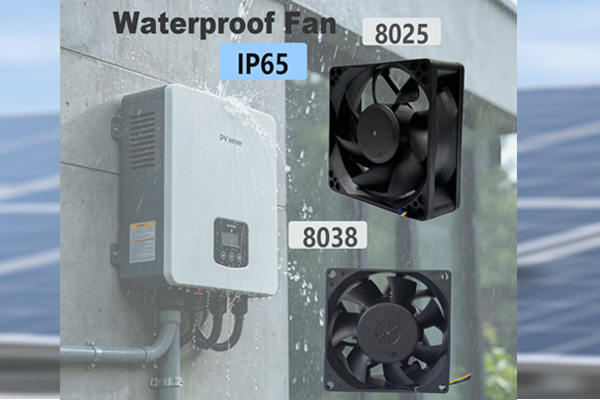
Exposure to dust, moisture, or corrosive environments
Noise limitations
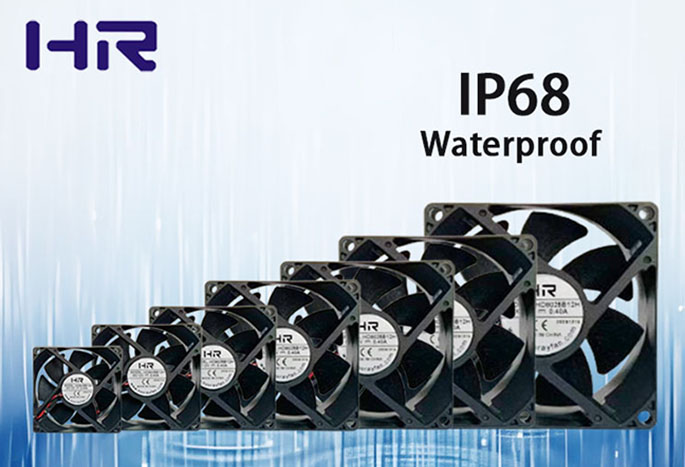
For harsh environments, waterproof or dustproof fans with higher IP ratings are recommended.
2. Airflow and Static Pressure
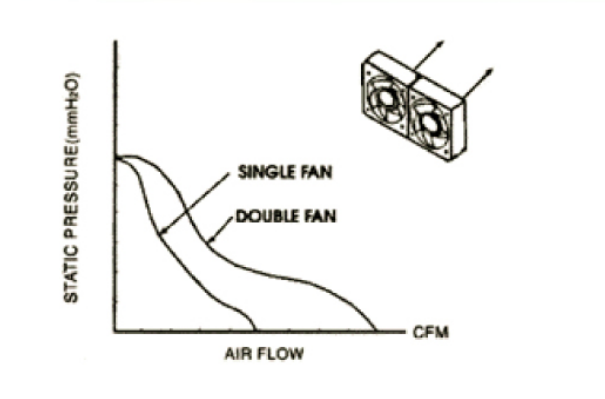
Airflow (CFM) and static pressure determine how effectively heat is removed from the system.
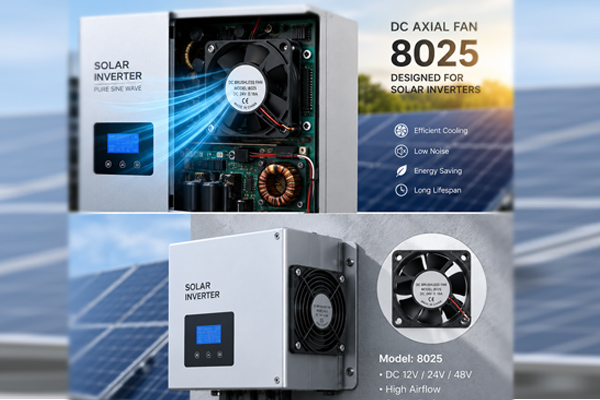
Axial fans are suitable for applications requiring high airflow at low resistance.
Blower and centrifugal fans perform better in high-resistance or enclosed systems.
Selecting the wrong airflow profile can result in overheating or unnecessary energy consumption.
3. Voltage and Control Requirements
DC fans, AC fans, and EC fans each serve different needs:
DC fans offer precise speed control and low power consumption
AC fans are reliable for continuous industrial operation
EC fans provide higher efficiency, intelligent control, and energy savings
PWM and FG signal options allow better system integration and thermal control.
4. Reliability and Certification
Industrial cooling fans must meet international safety and quality standards. Certifications such as UL, CE, RoHS, and REACH ensure compliance across global markets.
Equally important is the manufacturer’s testing capability—noise testing, airflow testing, temperature cycling, and life testing all contribute to long-term reliability.
5. Customization and OEM Support
Standard fans may not always meet unique system requirements. A manufacturer with strong OEM/ODM capabilities can customize:
Fan size and structure
Bearing type
Speed and airflow
Connector and cable design
A reliable cooling fan partner does more than supply products—they help optimize your thermal solution.
 `
`
 `
`
 `
`
 `
`